
In a bustling kitchen, the comforting scent of sautéed onions and garlic wraps around you like a warm hug, inviting you to create something special. Today, I’m excited to share my go-to recipe for Korean Meatloaf with Gochujang Glaze, a delightful fusion of savory and sweet flavors that both impresses and satisfies. This dish stands out not just for its unique taste, but also for its quick prep time and incredible versatility, making it a fantastic option for both busy weeknights and weekend gatherings. With comforting umami notes enhanced by a spicy-sweet glaze, this meatloaf is sure to become a family favorite. What will you pair it with for a complete meal?
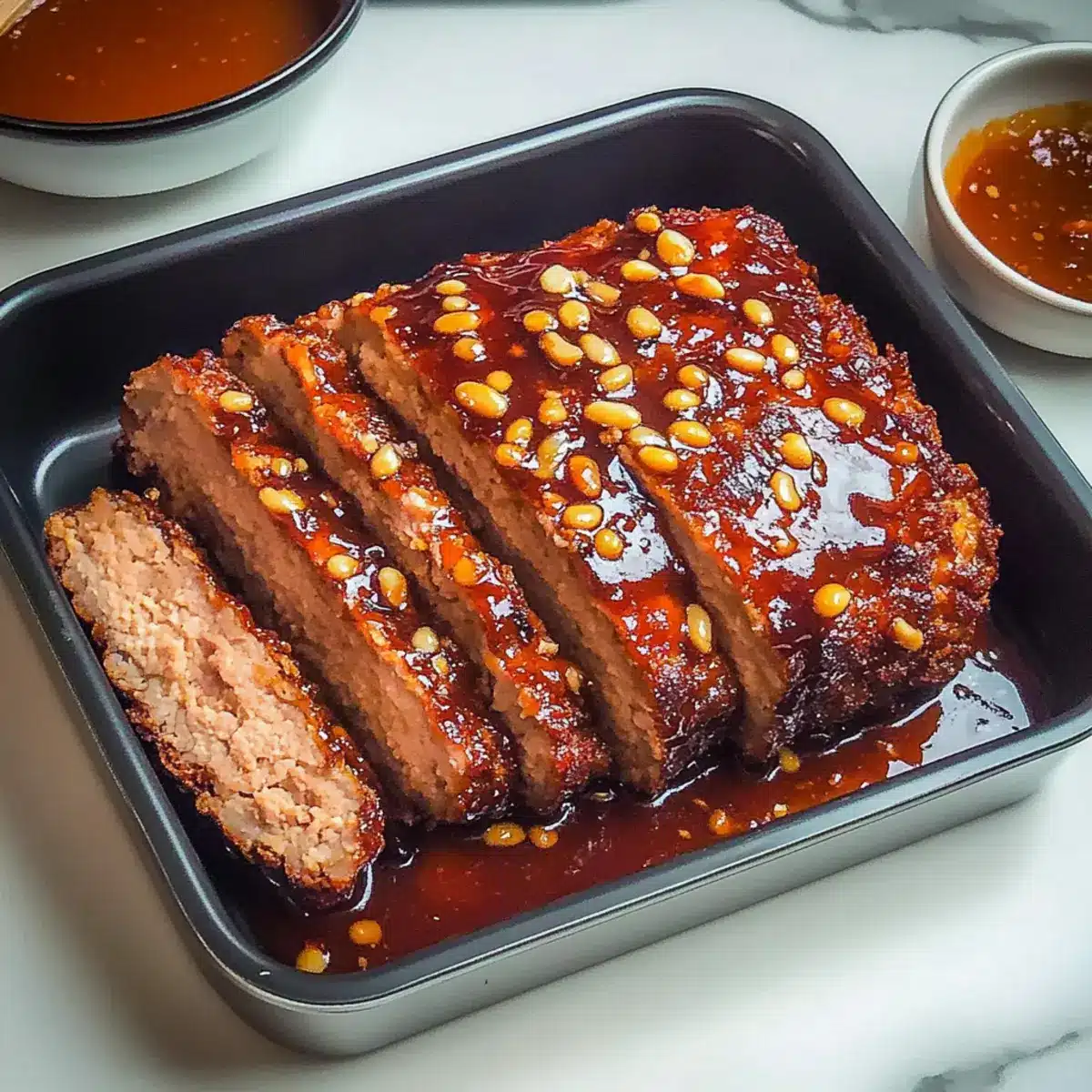
What makes this meatloaf so special?
Quick Prep Time: You’ll love that this dish comes together in a flash, making it perfect for busy weeknights.
Deliciously Unique: The Gochujang glaze adds a delightful kick, transforming traditional meatloaf into a mouthwatering experience.
Customizable Flavors: Experiment with ground turkey or beef, or sneak in some veggies like zucchini for extra moisture.
Crowd-Pleasing Appeal: Whether at a dinner party or family dinner, this recipe satisfies all appetites, from meat lovers to those looking for a tasty dish.
Versatile Pairings: Serve it alongside creamy mashed potatoes or a refreshing cucumber salad for a meal that feels complete yet simple. Enjoy this Korean twist, and while you’re at it, check out my Korean Fried Cauliflower for a delightful side!
Korean Meatloaf Ingredients
Experience the flavor explosion with this delightful meatloaf.
For the Meatloaf
- Ground Pork – Main protein source for richness; swap with ground beef or turkey for varied taste.
- Panko Bread Crumbs – Adds structure and texture; regular breadcrumbs can be a suitable alternative.
- Large Onion – Brings moisture and flavor when finely diced.
- Garlic – Crush for maximum flavor release, enhancing the savory goodness.
- Gochujang – Essential for that authentic Korean flavor and a gentle heat kick.
- Green Onions – Provides a refreshing crunch; sub with chives if needed.
- Kosher Salt – Enhances overall flavor; adjust based on your dietary preferences.
- Large Eggs – Binds the meat mixture together; beat lightly before adding.
- Vegetable Oil – For sautéing onions; olive oil adds an extra depth of flavor.
For the Glaze
- Apricot Jam – Sweetens the glaze beautifully; you can use any fruit-based jam as a substitute.
- Rice Wine Vinegar – Offers acidity to balance sweetness; apple cider vinegar works well too.
- Honey – Adds a touch of sweetness; for a vegan alternative, use maple syrup.
- Soy Sauce – Amplifies umami flavor; tamari can be used for a gluten-free option.
- Sesame Oil – Complements the flavors richly; toasted sesame oil enhances depth even more.
- Granulated Garlic Powder – Boosts flavor; feel free to swap with fresh garlic.
Optional Garnish
- Sesame Seeds – Adds lovely texture and visual appeal; sprinkle on top before serving.
Dive into this Korean Meatloaf with Gochujang Glaze, and let your kitchen come alive with delightful aromas!
Step‑by‑Step Instructions for Korean Meatloaf with Gochujang Glaze
Step 1: Preheat the Oven
Begin by preheating your oven to 350°F (175°C). Ensure you have a baking dish or sheet ready for the meatloaf later. This temperature is ideal for baking the meatloaf, allowing it to cook evenly while retaining moisture for a beautiful, juicy finish.
Step 2: Sauté the Aromatics
Heat 1 tablespoon of vegetable oil in a skillet over medium heat. Once hot, add 1 finely diced large onion and sauté for about 5 minutes until it becomes translucent. Add 3 crushed garlic cloves and cook for an additional minute until fragrant. Remove from heat and let the mixture cool slightly.
Step 3: Combine Meatloaf Ingredients
In a large mixing bowl, combine the cooled onion and garlic mixture with 2 chopped green onions, 2 lightly beaten large eggs, 1 teaspoon kosher salt, and 3 tablespoons of gochujang. Mix well, ensuring all ingredients are evenly distributed, creating a flavorful base for your Korean Meatloaf.
Step 4: Mix the Meats and Bind
In a separate bowl, combine 1 pound of ground pork with 1 cup of panko bread crumbs. Gently fold in the flavorful onion mixture from the previous step, making sure to combine without overmixing. This step is crucial for a tender meatloaf, as overmixing can lead to a dense texture.
Step 5: Shape the Meatloaf
Transfer the meat mixture into the prepared baking dish or shape it into a loaf on a sheet. Use your hands to form a uniform loaf, about 2 inches tall, ensuring that the center is slightly lower than the edges to promote even cooking.
Step 6: Bake the Meatloaf
Place the shaped Korean Meatloaf in the preheated oven and bake for approximately 40 minutes. Check for doneness by ensuring the internal temperature reaches 140°F (60°C). The meatloaf should be firm to the touch and lightly browned on the outside, with juices running clear when pierced.
Step 7: Prepare the Gochujang Glaze
While the meatloaf is baking, whisk together the glaze ingredients in a bowl. Combine 1/4 cup apricot jam, 1 tablespoon rice wine vinegar, 2 teaspoons honey, 2 tablespoons soy sauce, and 1 teaspoon sesame oil. Mix until smooth, creating a glossy sauce that will beautifully coat the meatloaf.
Step 8: Glaze and Finish Baking
Remove the meatloaf from the oven after 40 minutes and generously brush the prepared Gochujang glaze over the top. Return the meatloaf to the oven for an additional 10–15 minutes, cooking until the internal temperature reaches 160°F (71°C). The glaze should become slightly caramelized and sticky, adding delicious flavor.
Step 9: Rest and Slice
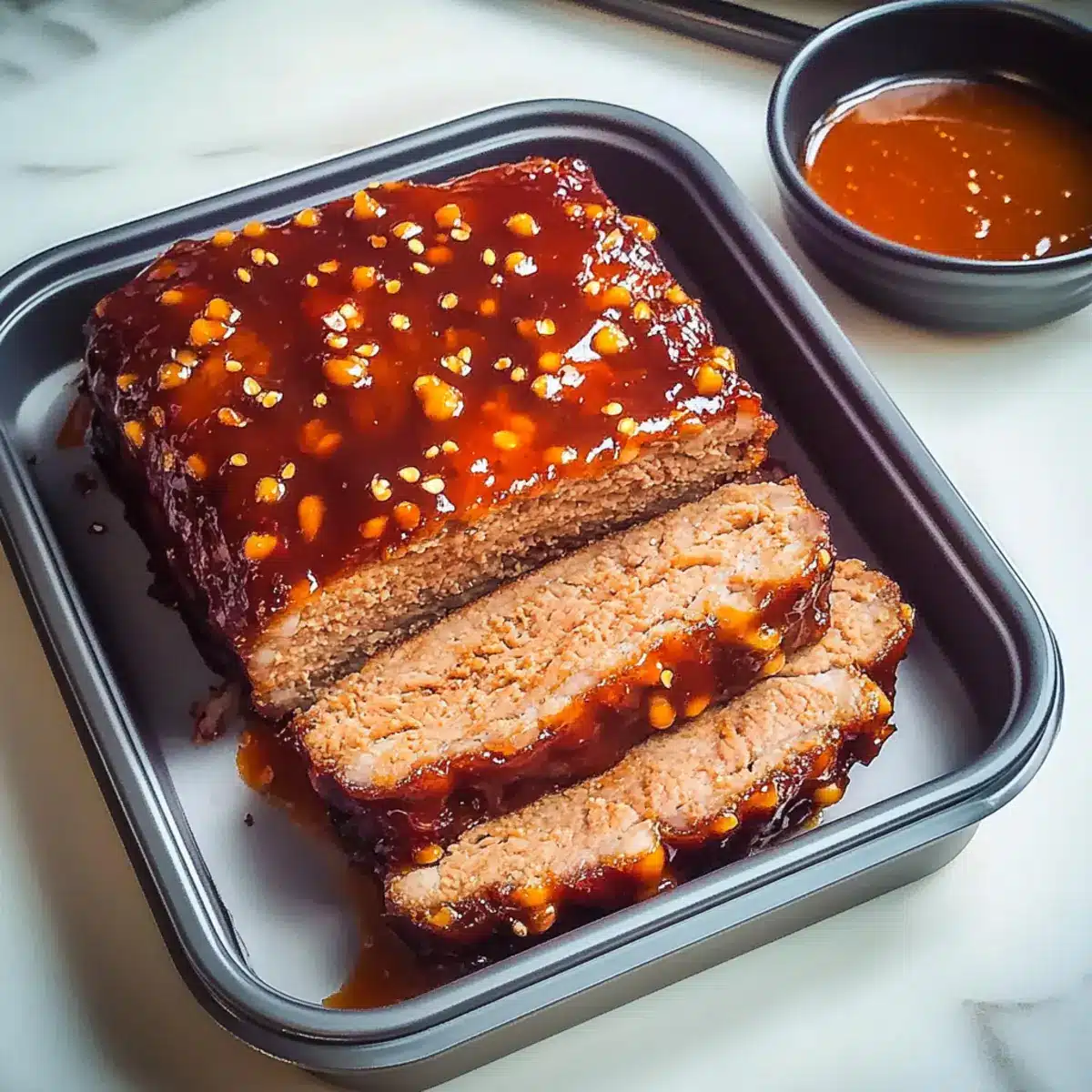
Once baked, allow the Korean Meatloaf to rest for about 5 minutes before slicing. This step will help the juices redistribute, ensuring each slice is flavorful and moist. Serve warm, perhaps alongside mustard pickled onions for an added tangy punch that complements the sweet and spicy glaze.
Variations & Substitutions for Korean Meatloaf with Gochujang Glaze
Feel free to get creative and customize your Korean Meatloaf experience with these delightful twists and substitutions!
-
Lean Meat: Substitute ground pork for ground chicken or turkey for a lighter option. The flavor will still be rich and satisfying, while cutting down on fat.
-
Gluten-Free: Use almond flour or crushed gluten-free crackers instead of panko. This ensures no one misses out on this delicious dish.
-
Added Vegetables: Mix in grated carrots or zucchini for extra moisture and nutrients. Not only does this boost the nutrition, but it also adds even more flavor!
-
Flavored Glaze: Try using different jams, like peach or mango, to change up the glaze profile. This twist can add a refreshing sweetness that complements the flavors beautifully.
-
Extra Crunch: Finely chop bell peppers and fold them into the meat mixture for color and texture. This addition gives a nice crunch while elevating presentation!
-
Increased Heat: For those seeking a bold kick, mix in red pepper flakes or fresh jalapeños. This variation caters perfectly to spice lovers looking for an exciting flavor adventure.
-
Herb Infusion: Incorporate fresh herbs like cilantro or basil for an aromatic boost. The fresh scents tantalize the senses, transforming your meatloaf into something truly special.
If you enjoy experimenting with flavors, you might also like to try serving this meatloaf with sides like my Cheesy Orzo Mac and Cheese with Bacon Breadcrumbs or creamy mashed potatoes for a comforting meal. Enjoy your culinary adventure!
How to Store and Freeze Korean Meatloaf
Fridge: Store leftover Korean Meatloaf in an airtight container for up to 2 days to maintain freshness and flavor.
Freezer: For longer storage, wrap the meatloaf tightly in plastic wrap or aluminum foil and freeze for up to 3 months. Thaw overnight in the fridge before reheating.
Reheating: Reheat slices in the oven at 350°F (175°C) until heated through, about 10-15 minutes, ensuring the meatloaf remains juicy.
Make-Ahead Tips: Prepping mustard pickled onions ahead of time not only enhances flavor but can be stored for up to a week in the refrigerator.
Make Ahead Options
These Korean Meatloaf with Gochujang Glaze are perfect for busy cooks looking to save time during the week! You can prepare the meatloaf mixture up to 24 hours in advance; simply combine all the ingredients and refrigerate it in a covered dish for optimal flavor. The glaze can also be made ahead and refrigerated for up to 3 days—just give it a good stir before applying. When you’re ready to bake, shape the mixture into a loaf, apply the glaze, and follow the baking instructions as normal. This way, you’ll enjoy the same delicious, juicy results with minimal effort on a hectic evening!
What to Serve with Korean Meatloaf with Gochujang Glaze
With its savory depth and sweet-spicy glaze, this dish is a delight that deserves equally fabulous companions on your dinner table.
-
Steamed Broccoli: A classic side that offers a bright crunch, balancing the rich, umami flavors of the meatloaf beautifully.
-
Fluffy White Rice: Its simplicity complements the bold flavors of the meatloaf, providing a comforting base that soaks up the delicious glaze.
-
Tangy Cucumber Salad: This refreshing salad adds a crisp bite and a zesty contrast, making for a delightful palate cleanser with each juicy slice.
-
Kimchi: Embrace a true Korean experience by pairing with this fermented delight, bringing spice and tang to amplify the dish’s flavor profile.
-
Creamy Mashed Potatoes: Their velvety texture contrasts wonderfully with the meatloaf, absorbing the sweet glaze for an indulgent bite.
-
Roasted Brussels Sprouts: Their caramelized edges and earthiness add another layer of texture, marrying perfectly with the meatloaf’s rich flavors.
-
Mustard Pickled Onions: A must-try garnish enriching each slice with a tangy pop, elevating the dish to new heights.
-
Chilled Soju or Sparkling Water: To wash it all down, these light options cool the palette, enhancing the meal’s overall experience.
Expert Tips for Korean Meatloaf with Gochujang Glaze
-
Use a Thermometer: Ensure your Korean Meatloaf reaches an internal temperature of 160°F (71°C) for safe and juicy results.
-
Avoid Overmixing: Gently combine the meat mixture to prevent a tough texture. Overmixing can lead to a dense meatloaf, so fold carefully.
-
Cool Before Mixing: Always cool the sautéed onions and garlic before adding them to the egg mixture; this helps avoid unwanted scrambling.
-
Watch the Bake Time: Keep an eye on your meatloaf during the last 10-15 minutes. The glaze can burn if left too long, so check often!
-
Add Extra Veggies: Incorporate grated zucchini or carrots into the mixture for extra moisture and nutrients, making the meatloaf even more delightful.
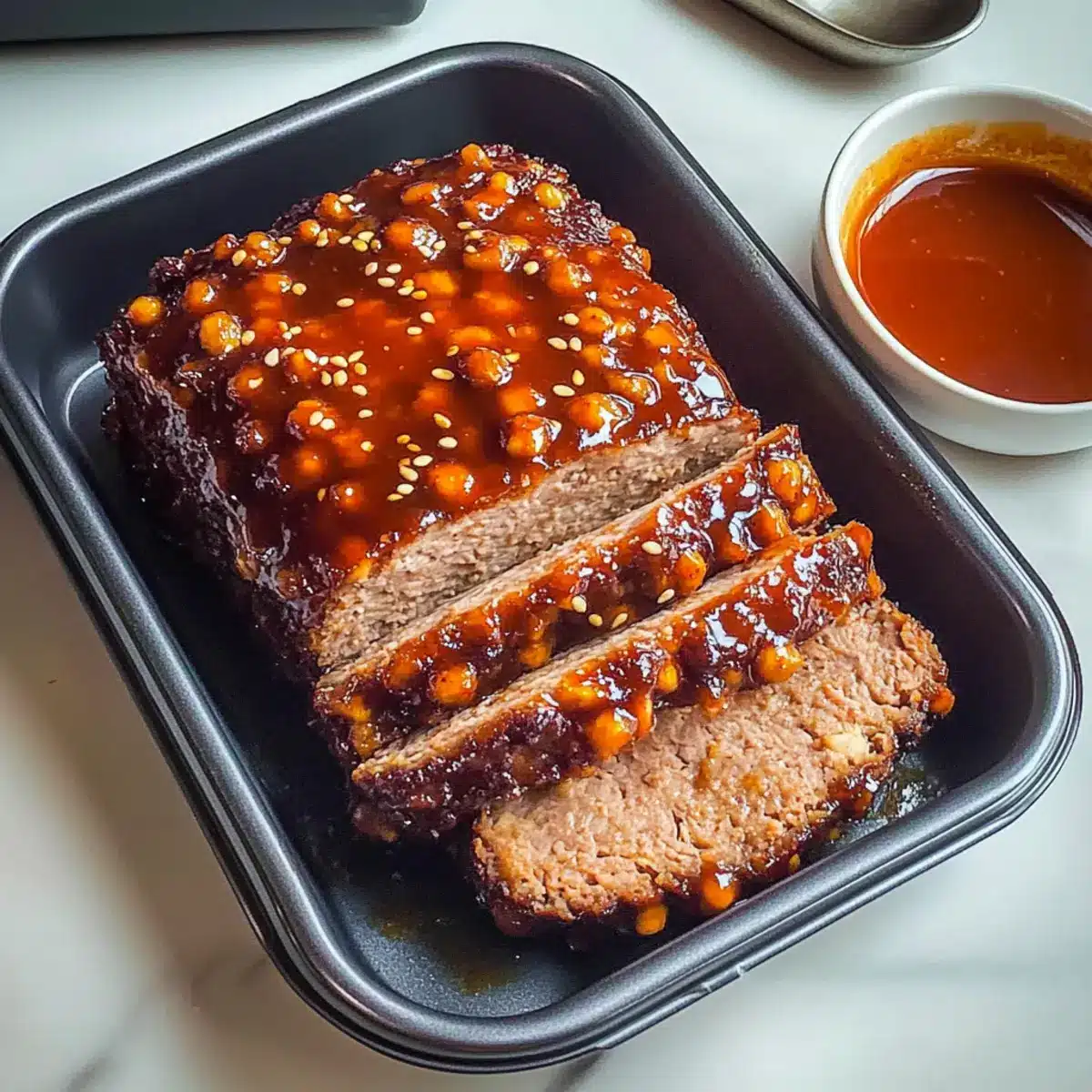
Korean Meatloaf with Gochujang Glaze Recipe FAQs
How do I select ripe ingredients for this recipe?
Absolutely! When choosing your ground pork, look for meat that is bright pink with minimal dark spots. Fresh garlic should be firm and plump, while onions should feel heavy for their size. For green onions, select those with vibrant green tops and no wilting. These small details ensure your Korean Meatloaf with Gochujang Glaze is bursting with flavor.
What is the best way to store leftovers?
After enjoying your meal, simply place leftover meatloaf in an airtight container and store it in the refrigerator for up to 2 days. Make sure it cools to room temperature before sealing to prevent moisture buildup that can affect texture and flavor.
Can I freeze Korean Meatloaf? How?
Yes, you can! To freeze your Korean Meatloaf, first let it cool completely. Then, wrap it tightly in plastic wrap or aluminum foil, ensuring there are no air pockets. For added protection, place the wrapped meatloaf in a freezer-safe bag. It will keep well for up to 3 months. When you’re ready to enjoy it again, thaw overnight in the refrigerator before reheating.
What do I do if my meatloaf is too dense?
If your Korean Meatloaf turns out dense, it’s likely due to overmixing the meat mixture. For next time, gently fold the ingredients until just combined to maintain tenderness. You might also want to incorporate grated vegetables, like zucchini or carrots, for additional moisture, making it lighter and more enjoyable.
Are there gluten-free options for this recipe?
Very much so! To make your Korean Meatloaf gluten-free, substitute panko bread crumbs with almond flour or crushed gluten-free crackers. You can also replace regular soy sauce with tamari to ensure it’s free of gluten, allowing everyone to indulge without worries.
Can pets eat this meatloaf?
While sharing is caring, it’s best to keep this meatloaf from pets! Gochujang contains ingredients that may not be safe for them, such as garlic. It’s always safer to stick to pet-friendly foods to keep them happy and healthy!
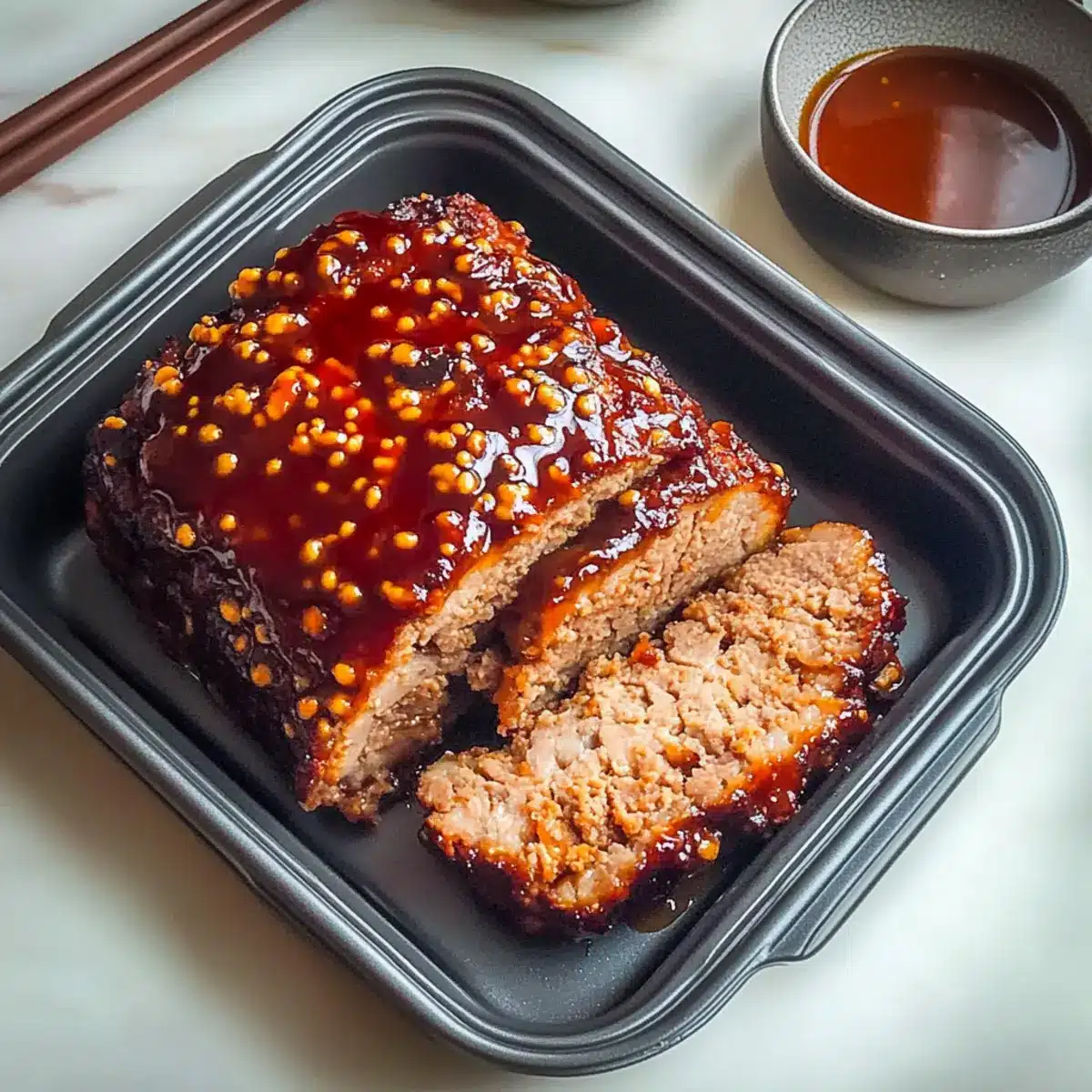
Delicious Korean Meatloaf with Gochujang Glaze That's Easy to Love
Ingredients
Equipment
Method
- Preheat your oven to 350°F (175°C) and prepare a baking dish or sheet.
- Heat 1 tablespoon of vegetable oil in a skillet over medium heat. Add 1 finely diced large onion and sauté for about 5 minutes, then add 3 crushed garlic cloves and cook for an additional minute until fragrant.
- In a large mixing bowl, combine the cooled onion and garlic mixture with 2 chopped green onions, 2 lightly beaten large eggs, 1 teaspoon kosher salt, and 3 tablespoons of gochujang.
- In a separate bowl, combine 1 pound of ground pork with 1 cup of panko bread crumbs, then gently fold in the onion mixture.
- Transfer the meat mixture into the prepared baking dish or shape it into a loaf on a sheet.
- Place the shaped Korean Meatloaf in the preheated oven and bake for approximately 40 minutes.
- While the meatloaf is baking, whisk together the glaze ingredients: 1/4 cup apricot jam, 1 tablespoon rice wine vinegar, 2 teaspoons honey, 2 tablespoons soy sauce, and 1 teaspoon sesame oil.
- Remove the meatloaf after 40 minutes and brush the Gochujang glaze over the top. Return to the oven for an additional 10–15 minutes.
- Allow the Korean Meatloaf to rest for about 5 minutes before slicing.
Leave a Reply